How to Avoid Enterprise Generative AI Failures: 5 Must-Know Insights

Generative AI is reshaping industries, offering businesses powerful tools to automate content creation, generate insights, and boost productivity. From producing realistic images to drafting tailored business reports, Generative AI is no longer confined to the research lab. Enterprises are actively investing in Generative AI solutions to improve efficiency and innovation. However, despite its potential, many projects fall short of expectations or fail altogether.
In this article, we will explore what Generative AI is, how it is being applied across industries, the common reasons enterprise projects fail, and practical steps you can take to ensure your initiative succeeds.
What is Generative AI?
Generative AI refers to a class of artificial intelligence models capable of producing new content based on training data. This could include anything from text, images, audio, and even video. Unlike traditional AI that focuses on predictions or classifications, Generative AI models create new, original outputs. Popular tools like ChatGPT, DALL·E, and Midjourney are some of the well-known examples of Generative AI.
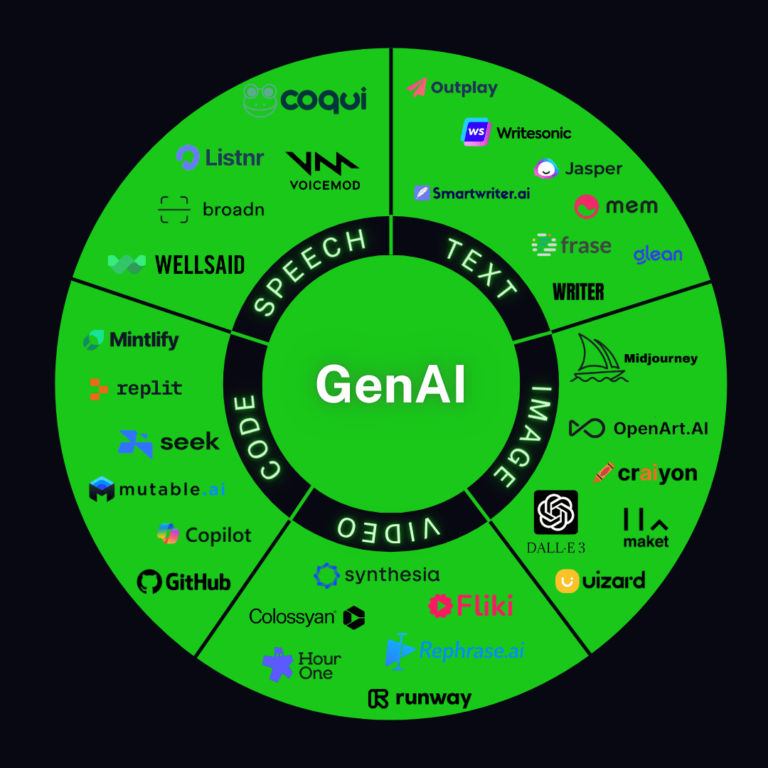
Real-World Use Cases
Content Creation
Businesses use Generative AI to automate the creation of marketing copy, blogs, social media posts, and product descriptions, reducing turnaround time and operational costs.
Design and Prototyping
Design teams are leveraging AI to generate product mockups, UI/UX components, and even 3D models, accelerating the prototyping process.
Personalized Recommendations
Retailers and e-commerce platforms use Generative AI to analyze customer behavior and deliver hyper-personalized shopping experiences.
Synthetic Data Generation
AI-driven models create synthetic datasets to train machine learning algorithms, especially when real data is scarce or sensitive.
5 Reasons Why Enterprise Generative AI Projects Fail
1. Lack of Clear Business Objectives
Many enterprises jump into Generative AI without a well-defined goal, resulting in disjointed efforts and unclear KPIs. This leads to projects that either drag on without producing measurable results or fail to deliver value altogether.
How to Avoid: Begin with a problem statement or specific use case. Define what success looks like, set quantifiable KPIs, and align your AI strategy with broader business objectives.
2. Inadequate Data Quality
Generative AI thrives on high-quality, well-labeled data. Poor or biased data can produce inaccurate or even harmful outputs, severely limiting the effectiveness of your AI system.
How to Avoid: Invest in data collection and cleaning. Establish strong data governance policies and diversify data sources to reduce bias. Collaborate with data scientists and domain experts to ensure your datasets are representative and relevant.
3. Overlooking Regulatory and Ethical Considerations
Failing to account for compliance and ethical risks can expose enterprises to legal liabilities or reputational damage. Data privacy, model explainability, and responsible AI usage are often overlooked.
How to Avoid: Embed ethics and compliance into your AI development lifecycle. Regularly audit AI outputs, ensure data privacy regulations like GDPR are met, and implement fairness checks to avoid discrimination.
4. Underestimating Infrastructure and Scalability Needs
Some enterprises start with a proof of concept without considering the infrastructure needed to scale their Generative AI models. This leads to performance bottlenecks, budget overruns, or technical debt.
How to Avoid: Plan for scalability from the outset. Leverage cloud services or AI platforms that offer the flexibility to grow as your project scales. Conduct performance tests to identify infrastructure needs early.
5. Lack of Cross-Functional Collaboration
AI projects are often siloed within IT or data science teams. Without collaboration from departments like marketing, legal, and operations, projects may miss critical business or customer insights.
How to Avoid: Promote cross-functional collaboration. Involve stakeholders from multiple departments during both the development and deployment phases to ensure alignment with business goals and customer expectations.
Conclusion
While Generative AI offers massive potential for enterprises, success requires more than just cutting-edge models. Clear objectives, quality data, regulatory awareness, infrastructure planning, and cross-functional teamwork are critical factors. By addressing these challenges head-on, businesses can avoid the common pitfalls and unlock the full potential of Generative AI to drive innovation and growth.
Whether you are building customer-facing applications or streamlining internal workflows, these lessons can help you navigate the complexities of deploying Generative AI solutions effectively.