How To Use AI for Customer Feedback Analysis

Customer feedback is invaluable for businesses looking to refine their products, improve customer satisfaction, and stay ahead of the competition. However, the sheer volume of feedback generated through various channels can make manual analysis overwhelming and inefficient. This is where Artificial Intelligence (AI) steps in, offering a powerful solution to streamline and enhance customer feedback analysis.
In this article, we will explore how AI can revolutionize the way businesses analyze customer feedback. We’ll delve into the benefits, key AI techniques, tools, and best practices to leverage AI for insightful and actionable feedback analysis.
What Is AI Feedback Analysis?
AI feedback analysis refers to the use of artificial intelligence technologies to automatically process, interpret, and derive insights from customer feedback. This feedback can come from various sources, such as surveys, reviews, social media comments, customer support interactions, and more. By leveraging AI, businesses can efficiently analyze vast amounts of feedback data, uncover trends, understand customer sentiments, and make data-driven decisions to improve products, services, and overall customer experience.
Wondering how much your project will cost?
Advantages of Using AI for Customer Feedback Analysis
There are several significant benefits of using AI for feedback analysis.
Key Benefits of AI Object Recognition
1. Speed and Efficiency
AI-powered tools analyze customer feedback in real time, delivering instant insights. This allows businesses to respond quickly to customer needs and concerns. In fast-paced industries, where preferences and market trends change rapidly, this speed is crucial.
Use Case: Online Retailer
Manual inspections take time and slow down production. AI object recognition systems, on the other hand, analyze multiple products in just seconds. This speeds up inspections and boosts production efficiency.
2. Accuracy and Consistency
AI tools remove inconsistencies and biases common in human analysis. They use standardized algorithms to evaluate feedback, applying the same criteria every time. This approach leads to accurate and reliable insights.
Use Case: Financial Services Firm
A financial services firm surveys clients to measure satisfaction and service quality. Previously, human analysts caused inconsistencies with subjective reviews. Now, the firm uses an AI tool with standardized algorithms, ensuring consistent evaluation of feedback. This approach helps identify systemic issues and track service improvements, leading to better strategic decisions.
3. Uncovering Hidden Insights
AI techniques, like sentiment analysis and topic modeling, spot patterns and trends that human analysts might miss. These insights uncover hidden issues and new opportunities, providing businesses with a competitive edge.
Use Case: Technology Startup
A tech startup wants to enhance its user interface by analyzing customer feedback. Manual review often misses subtle trends. An AI system using sentiment analysis and topic modeling can uncover hidden issues, like frequent user frustrations with navigation. These insights help the startup make targeted improvements, addressing key pain points and improving the user experience.
4. Bulk Data Analysis
AI swiftly processes vast amounts of feedback data. Unlike humans, who would need weeks to analyze thousands of comments from a single survey, AI handles this task in minutes. It quickly identifies trends, themes, and key insights.
Use Case: Airline Company
An airline gathers extensive feedback from passenger surveys after each flight. While manual analysis takes weeks, an AI tool processes this data in minutes, highlighting key themes like delays, service quality, and seat comfort. The airline can then quickly use these insights to boost efficiency, enhance customer service, and improve the flight experience.
5. Better customer experience
Knowing what customers want and what they might use or buy makes it easier to improve products. You can avoid wasting time and money on extensive market research. As a result, customers stay satisfied, increasing the chances they’ll buy again or return for services.
Use Case: Restaurant Chain
A national restaurant chain uses AI to analyze feedback from online reviews, comment cards, and social media. By pinpointing common needs, like more vegetarian options or faster service, the chain makes smart menu and service updates. This cuts down on costly market research, leading to higher customer satisfaction, repeat business, and positive reviews.
Want deeper insights from your customer feedback?
How Does it Work?
Natural Language Processing (NLP)
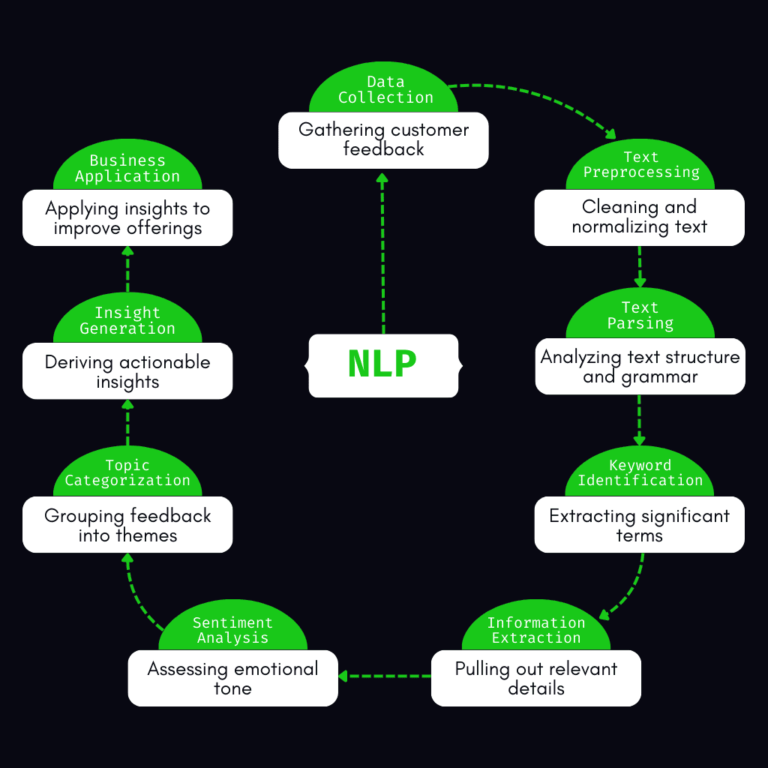
Natural Language Processing helps AI driven feedback analysis by understanding, interpreting, and responding to human language. It identifies keywords, extracts insights, and categorizes feedback by topic and sentiment. This enables businesses to understand customer needs, refine their offerings, and enhance satisfaction.
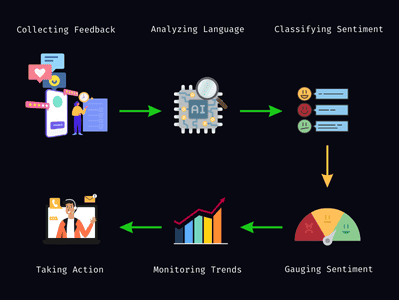
Sentiment Analysis
Sentiment analysis identifies the emotional tone in customer feedback. It examines language to determine if feedback is positive, negative, or neutral. This helps businesses gauge satisfaction and understand customer feelings about their products or services. It applies to social media posts, online reviews, and surveys, providing a broad view of sentiment. By tracking trends, businesses can quickly address concerns and ensure a positive customer experience.
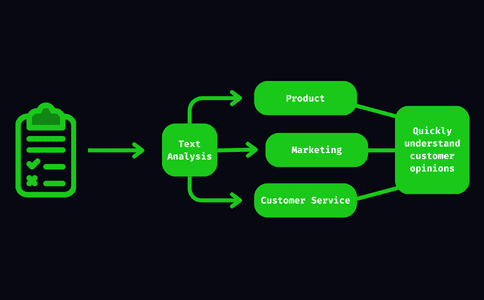
Text Classification
Text classification categorizes feedback into predefined categories, helping organize large volumes for easier analysis and action. For example, feedback can be classified into product quality, customer service, pricing, and user experience. This allows businesses to focus on improvements and allocate resources efficiently. It also identifies common themes and issues, enabling companies to address them systematically and improve customer satisfaction.
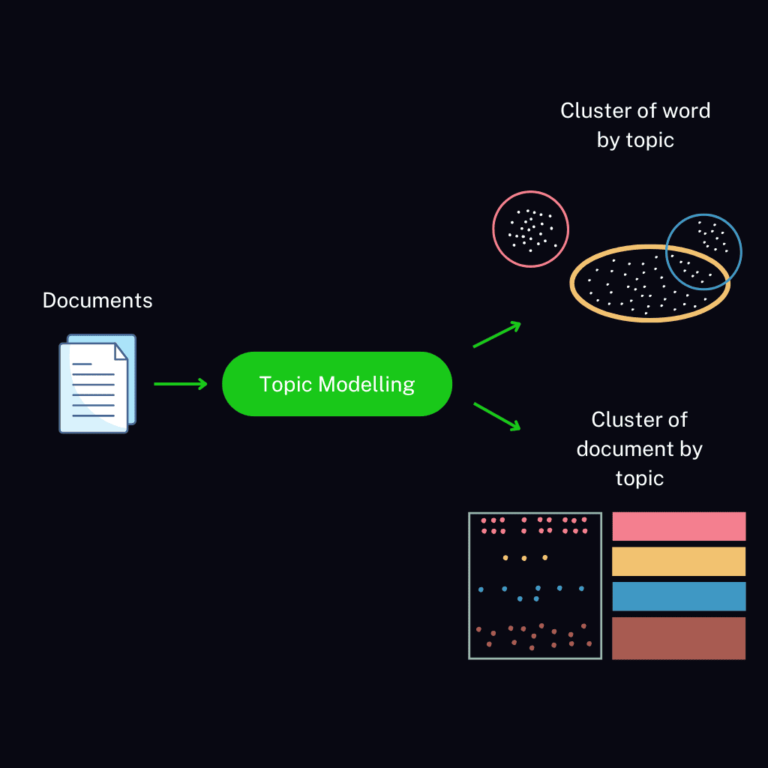
Topic Modeling
Topic modeling is an AI technique that identifies common themes in large text datasets. It groups similar feedback, helping businesses see which issues or features are most discussed. This reveals customer preferences, pain points, and trends, offering insights for strategic planning. For example, a business might find frequent mentions of delivery times or product packaging, highlighting areas for improvement. By recognizing key topics, businesses can make informed decisions to enhance products and improve customer satisfaction.
Implementing AI for Customer Feedback Analysis
1. Preparing and Organizing Data
Gather feedback from surveys, social media, reviews, and support tickets. Clean and format the data by removing duplicates and correcting errors. Well-prepared data ensures accurate AI-driven feedback analysis and actionable insights.
2. Integrating AI Tools with Existing Systems
AI tools should connect with CRM, support platforms, and key systems for smooth data collection and analysis. Integration automates workflows, categorizes feedback, and routes it to the right teams, improving efficiency and cohesion.
3. Training AI Models for Accuracy
Provide AI with labeled data to learn from and refine predictions. Continuously update training data with fresh feedback to maintain accuracy and reliability over time.
4. Interpreting and Using Results
AI analyzes feedback, delivering sentiment scores and topic frequencies. Human expertise is needed to interpret insights and make strategic decisions. Businesses can use AI-driven analysis to improve products, customer service, and marketing strategies.
Discover how AI can turn feedback into your best tool!
Collecting Customer Feedback with AI
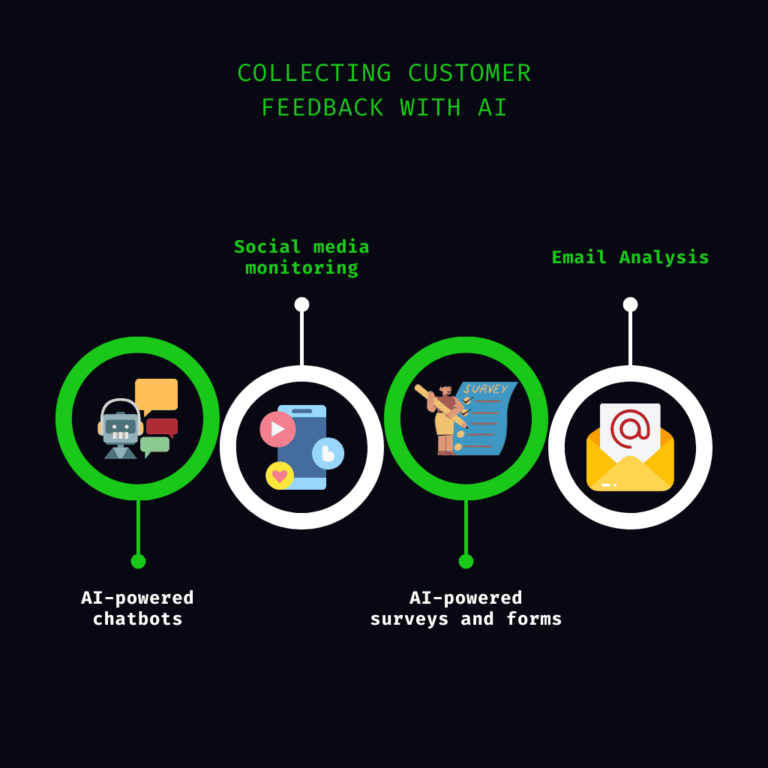
AI-powered chatbots
AI powered chatbots manage interactions on websites, social media, and messaging apps. Integrating them into your app or website helps address customer issues, answer questions, and gather instant feedback. Large language models and fine tuning ensure more relevant responses.
Social media monitoring
Artificial intelligence algorithms scan social media platforms regularly, alerting you to brand mentions.
AI powered monitoring tools analyze and report positive and negative comments about your company. These tools help you respond promptly and maintain a proactive social media presence.
AI-powered surveys and forms
AI simplifies creating interactive customer feedback surveys and forms. Companies can ask targeted questions to guide feedback while focusing on specific products or demographics. After collecting responses, AI analyzes intentions and sentiments to help improve quality.
Email Analysis
Artificial intelligence sorts emails, support tickets, and bug reports, categorizing and prioritizing them by content and sentiment. Using NLP, AI uncovers key feedback and insights hidden in written communications.
Conclusion
We’ve discovered that AI in customer feedback analysis is more than just a trend—it’s essential for today’s businesses. This technology, which we’ve examined closely, provides a clear view of customer opinions. Yet, it’s crucial to remember that AI works best when combined with human insight. Merging these approaches delivers more precise and context-aware results.
As AI in customer feedback analysis advances, it will offer even deeper insights and more opportunities for businesses to succeed.
Explore AI Feedback Analysis Development at AppsInAi
At AppsInAi, we’re redefining feedback analysis with AI. Our advanced NLP and machine learning decode user sentiments, detect trends, and extract key themes. With sentiment analysis, emotion detection, and real-time monitoring, we turn insights into action, helping businesses refine products and enhance user experiences.