Why Your Product Inspections Need AI Object Recognition Technology

AI Object Recognition: Speeding Up Product Inspections and Reducing Manual Work
Object recognition is reshaping product inspections, offering businesses a more efficient and reliable solution as they face growing demands for speed and accuracy. Traditional inspection methods, which often rely on manual labor, can be slow, error-prone, and costly. With AI-powered object recognition, businesses can improve inspection speed, consistency, and accuracy while minimizing human errors.
This blog explores how object recognition is transforming inspections across industries, the benefits it brings, and the key factors to consider when integrating this advanced technology.
What is AI Object Recognition?
AI object recognition enables machines to identify and classify objects in images or videos. It relies on machine learning algorithms, particularly convolutional neural networks (CNNs). These networks are trained to detect patterns and features in visual data. As a result, AI can identify objects with impressive accuracy, even in complex settings. This technology holds great potential for industries like manufacturing, automotive, and logistics, where visual inspections are crucial.
Wondering how much your project will cost?
Accelerating Product Inspections with AI
Product inspections play a crucial role in maintaining quality and detecting defects. Traditional manual inspections often fall short due to their slow pace and inconsistency, relying heavily on human assessors. In contrast, AI object recognition streamlines this process by automating inspections, delivering faster and more reliable results.
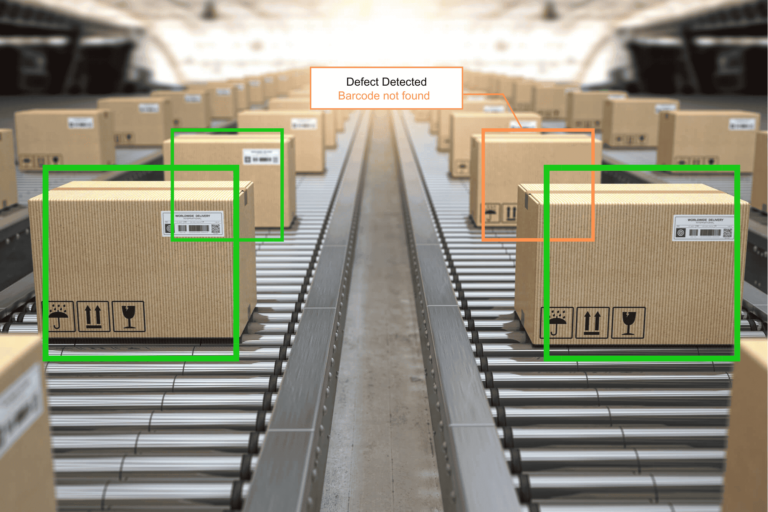
AI-powered systems quickly scan products on production lines, analyzing images in real time. These systems excel at identifying flaws, such as cracks or discoloration, with high accuracy. They also measure dimensions and verify labels, ensuring products meet quality standards before advancing further in the supply chain.
Key Benefits of AI Object Recognition
1. Consistency at Scale
AI systems don’t experience the fatigue or inconsistency that human inspectors do. This reliability is vital in high-volume production settings, where consistent quality control is key to managing large product batches.
2. Enhanced Speed and Efficiency
Manual inspections take time and slow down production. AI object recognition systems, on the other hand, analyze multiple products in just seconds. This speeds up inspections and boosts production efficiency.
3. Cost Savings in the Long Run
AI technology may require an initial investment, but the long-term cost savings are clear. By reducing manual labor, minimizing human error, and catching defects early, AI helps prevent costly product recalls.
4. Real-Time Data Insights
AI systems offer real-time feedback to operators, allowing them to take immediate corrective actions when defects are detected. This proactive method prevents major quality control problems and reduces downtime.
5. Scalability Across Operations
Integrating AI systems into production lines allows businesses to scale inspections efficiently. As production increases, AI handles higher volumes without adding significant costs or labor. This makes AI perfect for businesses that want to uphold high standards while growing.
Let AI Handle Your Product Quality with Precision!
Applications Across Industries
AI object recognition is transforming industries worldwide, with applications in various sectors:
Manufacturing
AI object recognition in factories inspects products for defects, ensuring high-quality standards. From electronics to automotive parts, it detects flaws and identifies missing components on assembly lines, preventing faulty products from reaching the market.

Automotive
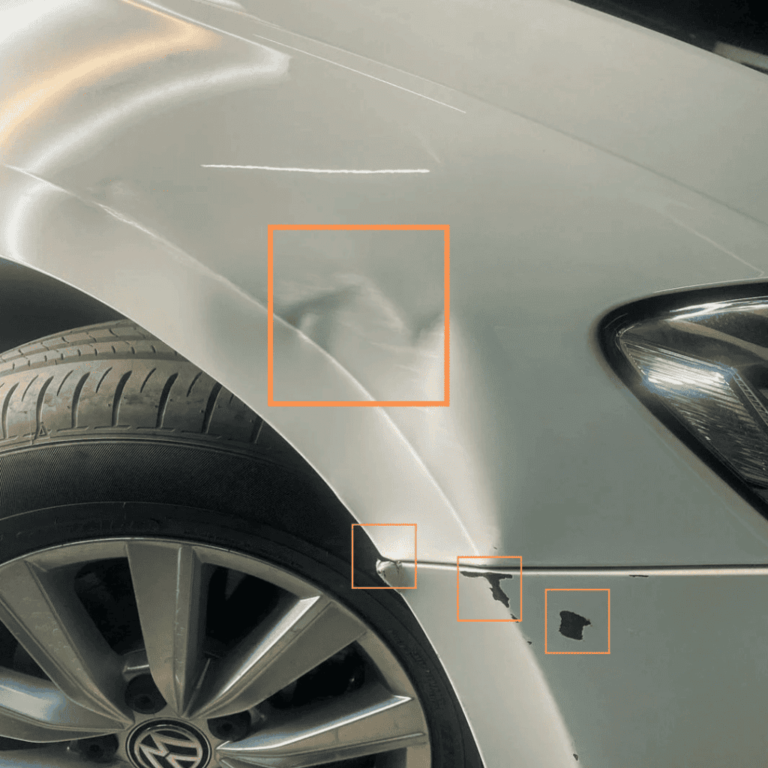
In the automotive sector, AI-driven inspection systems closely examine vehicle parts for imperfections. These systems ensure critical components, such as engines, body panels, and brakes, meet safety standards and perform reliably.
Retail
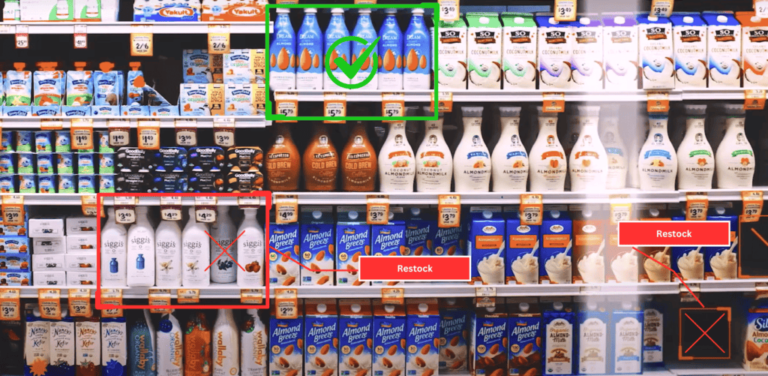
Retailers use AI to monitor product quality on shelves, ensuring items are properly displayed, free from damage, and in stock. The system can also notify staff when products are out of stock, helping maintain customer satisfaction and drive sales. This technology streamlines inventory management and enhances the overall shopping experience.
Logistics and Warehousing
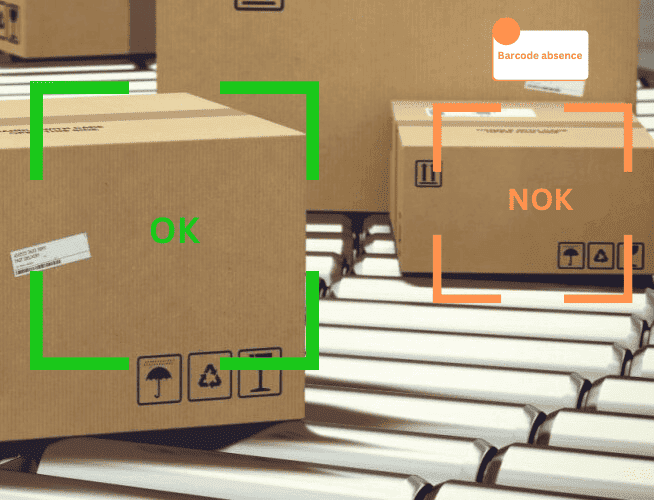
AI monitors packages for damage during transportation or when arriving at distribution centers. It also tracks inventory by scanning product labels, barcodes, and QR codes, streamlining warehouse operations and boosting efficiency.
Pharmaceuticals
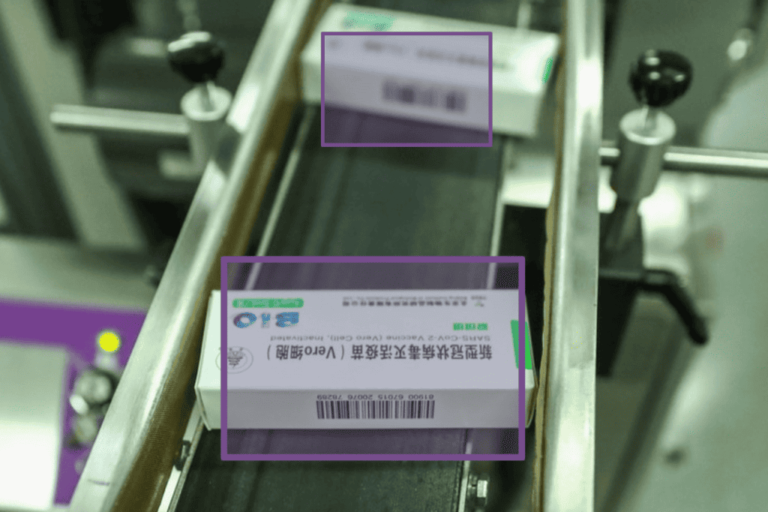
AI object recognition helps monitor pharmaceutical packaging, ensuring products are sealed, labeled correctly, and free from defects. This is vital for meeting health regulations and maintaining compliance.
Agriculture
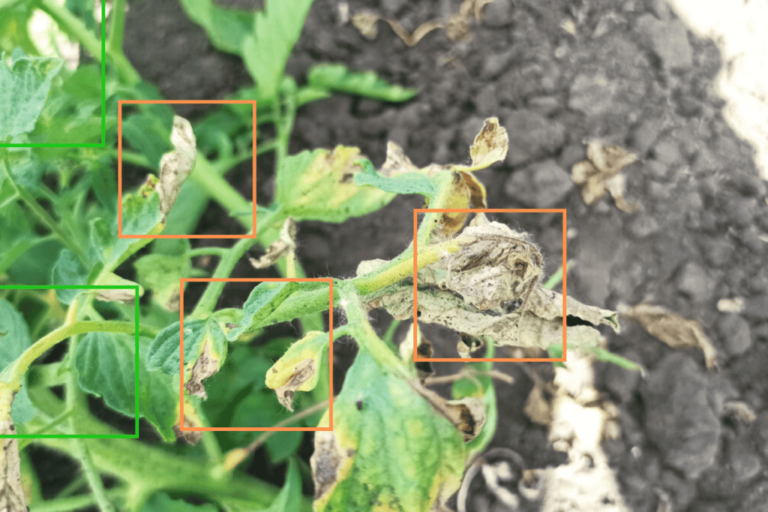
Agricultural companies are increasingly adopting digital solutions with object detection technology. These tools play a key role in plant health monitoring, pest control, crop maintenance, and yield estimation. As a result, farmers can make better decisions and boost productivity.
Considerations and Challenges
Despite the many benefits, integrating AI object recognition into product inspection processes comes with a few challenges:
1. Data Quality and Training
AI systems need large, high-quality datasets for precise training. Without enough accurate data, the system can struggle to correctly identify objects, leading to errors. To make AI integration successful, focus on gathering reliable data and continually refining the system through ongoing learning.
2. Initial Setup Costs
Investing in AI object recognition involves substantial upfront costs, including hardware, software, and training. Yet, when balanced against the long-term benefits—like reduced labor costs and greater operational efficiency—this investment often proves valuable for forward-thinking businesses.
3. System Integration and Compatibility
Integrating AI object recognition into current workflows and production lines can be complex, especially with legacy systems in place. Ensuring compatibility with existing setups is critical to ensure a seamless deployment and operation.
4. Employee Training
Even with automation, human oversight remains essential. Employees must understand how to work with AI systems, interpret their outputs, and step in as needed. This combination of technology and human insight is vital to unlock the full potential of AI in operations.
Conclusion
AI object recognition is revolutionizing the way product inspections are conducted, providing businesses with faster, more accurate, and cost-effective solutions. With its ability to reduce manual labor, improve consistency, and deliver real-time data insights, it’s clear that AI is the future of quality control. Industries ranging from manufacturing to logistics are already seeing the transformative impact of this technology.
Reduce Human Error in Inspections with AI!
Explore Object Recognition Development at AppsInAi
At AppsInAi, we create AI-powered object recognition tools that elevate product inspections. Our technology sharpens accuracy, reduces the need for manual checks, and delivers real-time insights, helping businesses uphold high-quality standards. From manufacturing to automotive and logistics, our solutions adapt to your unique needs for easy integration and smooth operations.
Discover how AppsInAi’s object recognition technology can improve your inspection workflow and drive your business goals. Connect with us today!